Oleh: Milatul Mustaqimah
Indonesia is one of the countries with several mandatory food fortification programs. Mandatory iodized salt fortification was first implemented in 1927 during the Dutch East Indies period, paused during the independence era, and resumed in 1994. Mandatory wheat flour fortification with iron (Fe), zinc (Zn), folic acid, and several B vitamins began in 1998, while mandatory fortification of palm cooking oil with vitamin A was established in 2013.
Although mandatory fortification programs have been in place for more than three decades, data on their effectiveness—both in terms of consumption and in terms of nutritional impact, as measured by biomarkers—remained unavailable. To fill this information gap, KFI analyzed SUSENAS 2023 data in 2024–2025 to produce a profile of mandatory fortified food consumption, which was published in 2025 with a foreword from the Minister of National Development Planning/Head of Bappenas.
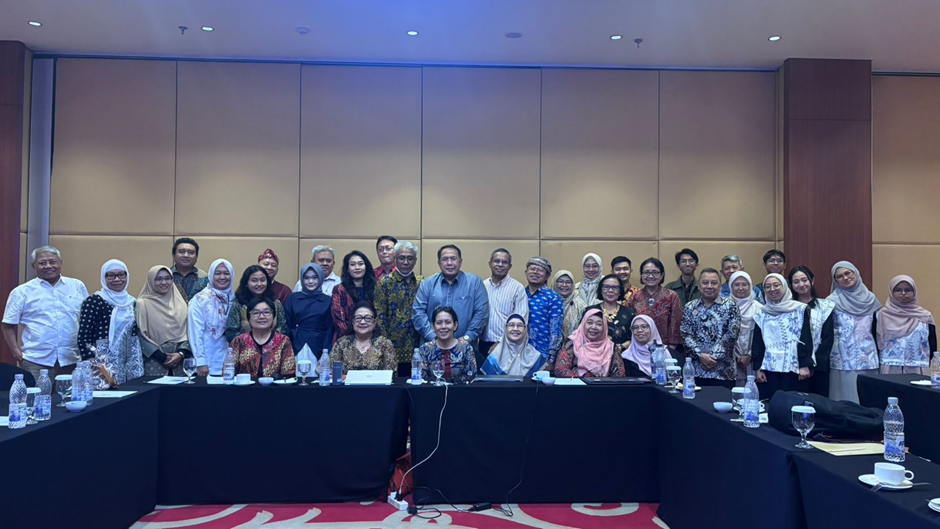
In 2025, KFI continued the analysis using SUSENAS 2024 data and disseminated the results on January 20, 2026. The dissemination event, “Profile of Mandatory Fortified Food Consumption and Micronutrient Intake in Indonesia”, was held at Avenzel Hotel & Convention, Cibubur. It was attended by 80 participants, including 15 respondents from various Ministries/Agencies, development partners, professional associations, industry associations, experts, and academics.
During the event, Prof. Drajat Martianto, Co-Director of KFI, emphasized that the three mandatory fortified food commodities had significantly increased micronutrient intake in 2023–2024. The consumption trends for iodized salt and wheat flour showed no significant change, whereas consumption of bulk cooking oil declined sharply. This decline was linked to changes in the Domestic Market Obligation (DMO) policy, which set 450,000 tons/month in 2023 but returned to the normal 300,000 tons/month in 2024—a 33.33% decrease from the previous year—affecting household consumption of packaged palm cooking oil (MinyaKita).
Prof. Drajat also highlighted that the SUSENAS-based analysis was grounded in household expenditure data, with consumption calculated from household food purchases divided by the prices paid. For salt and palm cooking oil, the analysis did not include oil or salt implicitly contained in industrially processed foods or food consumed outside the home (hotels, restaurants, street food, etc.).
Therefore, the consumption data presented only covered products purchased for household use.
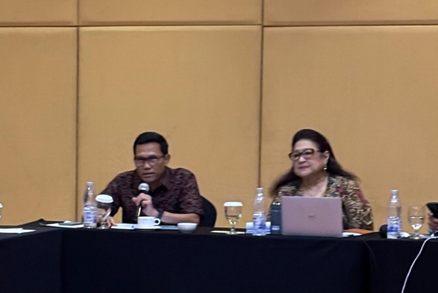
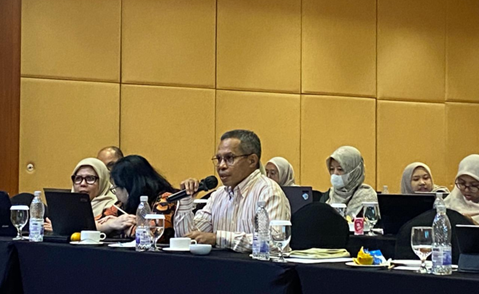
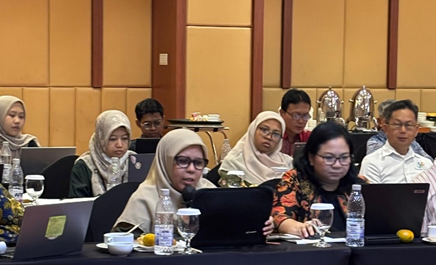
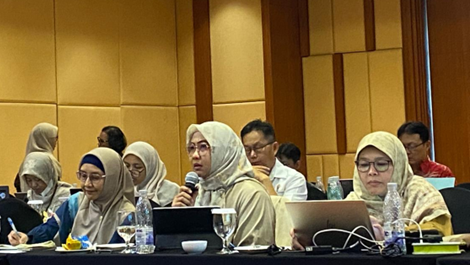
Discussion session on the analysis of mandatory fortified food consumption based on SUSENAS 2024
Despite some limitations, Mr. Pungkas Bahjuri Ali, STP, MS, PhD, Deputy for Human Development and Culture at Bappenas, appreciated the SUSENAS analysis as an alternative perspective for examining food consumption and highlighting micronutrient deficiencies (hidden hunger) in Indonesia. He also noted the potential for modeling to ensure the sustainability of consumption profile analysis, which Prof. Drajat confirmed had been planned to use SUSENAS 2025 data.
The discussion involved multiple stakeholders, including the National Food Agency, Food and Drug Monitoring Agency (BPOM), Health Policy Development Agency (BKPK) of the Ministry of Health, Nutrition International, UNICEF, Global Alliance for Improved Nutrition (GAIN), World Bank, PERGIZI PANGAN, Indonesian Flour Producers Association (APTINDO), Indonesian Food and Beverage Producers Association (GAPMMI), Indonesian Cooking Oil Industry Association (AIMMI), PERSAGI, and experts such as Dr. Helda Khusun from SEAMEO-RECFON. The discussion addressed strategic issues supporting the strengthening of food fortification, particularly regarding mandatory fortified food consumption analysis, including the need to update the Indonesian Food Composition Table (TKPI), adjust the Recommended Dietary Allowance (Angka Kecukupan Gizi/AKG) for iron to align with global standards, and explore data triangulation with other sources, such as production data. Additionally, the use of fortification ingredients in government food assistance programs and the plan for rice fortification were discussed.
KFI’s analysis of mandatory fortified food consumption reflected its commitment to supporting the government, particularly through the Large-Scale Food Fortification (LSFF) Coordination Forum. This analysis was made possible with support from the Gates Foundation in collaboration with TechnoServe.
The dissemination event represented a strategic step to ensure the optimal use of the Profile of Mandatory Fortified Food Consumption and Micronutrient Intake in Indonesia as a reference for strengthening food fortification programs and policies. Through information exchange and input from diverse stakeholders, the analysis and recommendations were made more comprehensive, accurate, and relevant to improving public nutritional status and accelerating national development goals. The event concluded with a group photo and lunch.